259: Sweet Fantasy

I have a very active fantasy life. I live more inside my head than outside in the “real” world.
I am in control in my fantasy world, and no one can get me, can see me, or judge me, unless I say so. And I always look fabulous!

Outside of my fantasy world, I am vulnerable.

I create very elaborate fantasies, more often than not, about the future. It is not living in the future or goal-planning; it is living in the present and in the now, only inside my mind.

My fantasy nurtures me and fuels me. I am motivated and calmed by repeating the same scenario over and over; perhaps a conversation in which I picture the people and their exact dialogue. Often I am very aware of what I am doing, meaning I know I am fantasizing, and am an actual observer of my own behavior.

Sometimes I can live inside of my head for over an hour; basically rerunning the same images and conversation repeatedly. I start from the beginning and then do the whole thing all over again.  Kind of like being on an endless ride that loops. The fantasy could be a minute long or a few minutes long, but it is replayed so many times, that it feels much, much longer.

My emotions match the fantasy; sometimes I physically feel the fantasy. The fantasy is not typically sexual, but more than likely involves a deep emotional connection with another or an elaborate design, such as reorganizing or decorating a room.

I am coming to understand that when I have a fantasy I can turn to, whether the fantasy is a future job, vacation, friendship, or other, I do not focus on the concepts of illness and death, which are normal triggers for me in real life.

Sometimes the fantasy is of an upcoming real event. For instance, before we moved into this house I spent countless hours organizing and rearranging all of furniture and belongings into the house inside of my mind, including what went in what drawers and cabinets.

For me, I see this as a type of mental stimming, a way of relaxing and calming my whole being. I have seen people do this with words, where they have to repeat the same few sentences aloud over and over; for me, it’s the same scene over and over in silence.

When a fantasy ends, typically because a future event I’ve imagined comes to be, or because reality sets in and the fantasy no longer seems feasible, I am left unnerved and searching for cover. If my fantasy is about a person, as was common when I was in relationships when I was younger, and the person disappoints me, this is detrimental to my fantasy. If I lose a person in real life who was an active part of my fantasy life, then I feel a deep loss in all parts of me. I feel a loss of the real life relationship and I also feel a loss of the fantasy relationship. Always, without fail, the loss of the fantasy is harder than the loss of the real person. I mourn over the images I created in my mind, and who I made the person to be in my mind. I then might confuse the fantasy person with the real person, inflating a person’s image. I do not mourn over aspects of the real person as much; except in unusual circumstances, perhaps after a very close connection or a long time together.

I mourn over what could be more than what was. In fact, I could feasibly mourn over what could have been for years after a romantic breakup. A part of me believes the fantasy was attainable and very real. A part of me knows it was not realistically ever going to happen and that I would have been miserable. But the fantasy-seeking part of me typically wins out, creating havoc and heartache.

The worst type of fantasy involves death and illness, in which the worst-case scenario plays out in my mind, over and over again. I slip into that illness/death fantasy-type when I don’t have a more positive fantasy to focus on, when I am under extreme stress, and sometimes when someone else is sick and I pick up on their stress.

Another reason I fantasize is to avoid the stimulation of the environment. I often have sensory overload where the sights, sounds, smells, and textures are putting me into overdrive. Inside my fantasy world I can momentarily forget where I am and what is happening. In addition I can forget my physical pain or pending unnerving plans or upcoming events.

I can be engaged in a conversation, and like a robot turn on “standard communication mode for humanoids” and still be deeply involved in my fantasy. I will nod when appropriate, smile, make occasional contact, and come up with reaffirming and validating statements, or perhaps a question, yet still be in my fantasy world.

I don’t see this as rude. I see this as necessary. I liken this process as me entering an oxygen chamber ever so often so I can continue to breathe, and if I don’t enter I will die. If someone wants to talk to me while I’m am rejuvenating my very breath, then so be it, but I cannot stop rejuvenating to give focus to a current predicament or circumstance. I do not view this is selfish or uncaring. I care and love people, and value them enough to want to listen. There are simply just times I cannot be entirely there.

Conversation alone is often too sensory overloading for me. Not only do I have the nonstop chatter in my head telling me how to act and what to say, but I also question if I’ve done the communicating job right; all the while reminding and critiquing myself inside my head. I’ve done away with the critical voice, thank goodness, by the expert coaches and evaluators are up in the bleachers shouting their observations. Take that along with the feel of where I am sitting, e.g., hardness/softness of chair, temperature of room, humming noises from electricity or fridge, clicking clocks, children talking, music playing, air fresheners, and the feel of my own body (pain, taste in mouth, tightness, cramps, etc.) and I am struggling stupendously just to remain inside my body. Add following the conversation so I can reply in the appropriate way, and I’m ready to collapse.

Plus, I always have this little voice in side my head that says, “Boring. Can I talk now?”

I know it’s rude, and I am not more important than the person talking, and what I have to say is likely boring, too. But I feel so much better when I am talking aloud, because I can process so much, and relieve so much tension. And when someone else besides me is talking, her voice and tone and pitch and ways are likely hurting my ears and adding to my inability to pay attention. In addition, besides monitoring my own self and communication skills, I am monitoring the other person’s skills, and noticing miniscule “flaws” both in communication skills and in physical attributes. Even the tiny hair on that freckle can distract me for a full minute. Then I have to come back and figure out what the person was saying before I was pulled into a freckle. Then I worry about his or her expectations and if I am a good enough friend or listener. And then I wonder, over and over: are you this distracted and bored when I talk to you?

In addition, each word a person says triggers an avenue of feelings and possible alternative avenues for me.

For example, at mention of dog, inside my mind this might happen: Did you say dog? Oh Scooby; I miss my dog Scooby; have I told you Scooby died. Why did he die? Maybe it was……Oh no! She is still talking and I missed most of what she just said. Should I tell her or just nod? If I nod is that lying. I should remind her I have Aspergers. Or maybe I should just pretend.”

That’s just one word. Typically a conversation has much more than one word.

That is why online communication is better for me. I can forgo a huge section of people pleasing. I can pause when I want to, skip sentences, reread for clarity, and take a long time to process information. Heck, I can ignore the person, go grab something to eat, and come back later. I can even scratch, fidget, or even doodle or work on something else, and the person isn’t offended at all!

In person, I concentrate better in conversation, if I can draw or listen to music or look at my computer or do the dishes or walk. I don’t want to try to give my full attention. I slip away too fast when I try to give my full attention.

I dislike when my husband comes up to me to tell me about his day, if I’m not in the place to listen. I might need more time to process something, to listen to music, to slip into my fantasy world or to write things out, before I can actively listen. Otherwise, I too quickly slip back into my own thoughts and barely hear the first sentence spoken.

This can be hard on him, as he feels rejected, ignored, or unloved. But I really cannot help it. I need my oxygen chamber. I just do.

My easiest moments are with my middle son who has Aspergers. We get each other to a degree people without ASD cannot. On our walks he will say to me: “I will likely talk a lot about video games, and probably repeat the same things over and over, and you might be bored, but I need to talk, and you don’t have to listen to everything.”

As he is talking, he doesn’t check in to see if I’m paying attention. Pretty much whatever I do, my son will keep chirping away, unnerved and unbothered. At home I can turn my back to him and do the dishes while he talks, giving him no validation and not engaging at all, and he still talks. He doesn’t care. He just needs to get it all out. He understands this, and I am happy to be available for him, even if I’m only catching the bare bones of what he has said.

Sometimes I think people demand too much in communication. They expect someone to be their everything, to validate not only what they are saying but also their worth and existence as human beings. It’s all wrapped up in confusing innuendos and masked self-doubt.

For me, it is easier, if someone is just really honest and speaks from the heart (for example): “I think I’m ugly and unlovable, will you tell me you love me and I’m pretty,” instead of rambling on and on with only hints of inner turmoil.

Like I said, I get bored; especially of boundless surface talk, when the heart longs to speak.

I don’t get bored with deep philosophical conversation or conversation filled with emotion and fantastic news, only with the dull mundane. I really don’t like to hear a review of someone’s day, unless there is something of importance or something I can help with. I don’t mind listening. I’ll listen for a long, long time. I just will check out and back in again.

Of course there are times I can truly hyper-focus on someone, especially when he or she is in need. I will do my very best and likely pick up most of the conversation, but the cost will be utter exhaustion. Last time I was a listener to a friend for an hour on the phone, I spent the entire next day in bed. It’s more than the words, it’s the energy of the person, too.

It’s a paradox and a half, as I long to be listened to and understood, but lack the skills most time to reciprocate. That is why writing is so very necessary and vital for me. I can write and write and not have to loop in my head or ask someone to listen to me.

I’d like to say I’ve grown a lot as a communicator, and really enjoy someone’s company, but the truth is, even when I’m with someone in person, I’m still inside my head 80% of the time. I think this is why Aspies are naturally drawn to other Aspies as mates. There is an unspoken acceptance of one another as is and a forgoing of all the typical social standards, and this creates an environment of rest and retreat.

~~~~

Post 250: It’s Raining Men

Anyone else roller skate to this music?

Lately, I’ve been admitting love.

I post love on my blog, on my social network page, and admit love to my friends.

It’s been very freeing and healing.

I’ve also been processing through past relationships with men.

Until last week, I saw myself as a real victim in love relationships.

In the beginning of my “dating” years, which actually started at age five, (No kidding; I always loved boys. My first “date” was at Keith’s house, where he introduced me to his favorite delicacy, peanut butter and mayonnaise sandwiches. I politely gagged.)….

In the beginning of my boyfriend-girlfriend years, I attracted very safe males: sweet, kind, friendly, and truthful. I was fortunate to have two boyfriends in high school (at separate times), after I moved back to California, that treated me with the up most respect and love. But something shifted at about the age of twenty. Perhaps it was being away from my extended family and not having a father that adored me. Or perhaps the shift was brought on by insecurities surrounding college or finally “growing up.” Regardless, at the age of twenty I began falling for whomever paid attention to me. For seven years my relations with men were bleak and tumultuous.

So often, in my twenties, the man I “chose” was addicted or abusive or both. I felt used physically, and was often dumped out like last week’s beer bottles—left clanging and spinning down a steep hill of depression. For years and years I blamed these men for their character and callousness. I cringed at the thought of these people not loving ME! How could they not? What was wrong with me?

A few days ago, I suddenly had a knowing. I suddenly saw in full picture, a truth. I wasn’t a victim. I wasn’t used and tossed out. There wasn’t a right person or wrong person in my sexual drama. I attracted men at the same level I was at spiritually and emotionally. (I had to leave out mentally, and just giggle. I was always smarter! Lol.)

But most telling, I realized at the center core of me the profound truth: that in fact I USED THEM.

In my mind I had thought that their “crime” was using me physically; and how could any crime be worse than that type of invasion? However, my crime was equal. I was a “villain” too. I used them. I chose to be with a man I didn’t like and didn’t respect, in order to not be alone. I used men!

Suddenly this ah-ha moment swept me away, and time stopped. I traveled back to a dozen relationships, and revisited and swept clean the energy attachment. Within seconds, I’d forgiven the men and myself. The labels were released. The words of scumbag, loser, liar, addict, etc. that I applied to the men, vanished. And then, presto, the labels slut, stupid, blinded, desperate that I’d branded to my energy field disappeared too! I began to see the men as other spirits on their journey. I began to see I was never victimized. I understood that using is using, whether it be of flesh or emotion. And then I released the using label, too. We weren’t using. We just were. We were existing, surviving, journeying. We just were. And so it goes.

Here is a prior entry about my experience with men

(reposted from past entry)

The Dance with Don

(notice the tone of this…written before my ah-ha moment.)

The highlight of my dating career had to be the season I spent with the habitual lying, sexually addicted Don—a spineless man five years my senior who behaved ten years my junior.  At first glance I’d fallen head-over-sandals in love with Don.  The summer day he confidently strode through the Catholic daycare where I worked, I’d tucked myself halfway behind a shelf of books and drooled over his perpetually sun-kissed skin.  He was everything I’d wanted, dark and handsome, and tall enough to look down at me with his bedroom eyes.

The times Don and I were together weaved in and out sporadically through a span of half a decade.  When I first met Don he was separated from wife number one; when I last reunited with Don, he was struggling to patch it up with wife number two.  I was the in-between, but one Don swore up and down he intended to marry.

The majority of our relationship played out like an ill-plotted soap opera, with me as the dimwitted, star-struck mistress and Don as the notorious villain.

There were definite reasons I stuck around. With Don came a familiarity of unpredictability.  He was my locomotive, the one I could catch a ride on and speed through the world with a view I remembered—one of constant change and chaos.

For a long while, I’d do anything I could to win Don over. I’d forgive his shortcomings and mysterious disappearing acts, and demean myself in different ways.

In our first months together, when I was still hopeful, there’d been major red flags.  Don had no home phone number or address.  His scorned, soon to be ex-wife, had warned me to have nothing to do with Don.  And Don’s truck was mysteriously breaking down, in an accident, short on gas, or had a flat tire, many of the nights he was supposed to be with me.

I was good at rationalizing his actions and taking his lies as truth.  I found reasons to stay, like the fact that Father liked Don and that Don eventually showed up.

I was twenty-years-old and newly accepted into the teaching credential program at the university the weekend I learned of Don’s other woman.  It was either the Saturday I’d scrubbed Don’s toilet, or the time I’d obsessively lined his kitchen shelves; no matter, it was the eventful afternoon I came face-to-face with a woman out for blood.

I’d been oblivious of course, hadn’t a clue Don had flirted with a seventeen year old outside of the construction site where he worked, slept with her, and possibly fathered her baby.

For some time there had been hints of another woman.  All along Don had pushed back our framed photos or even turned them face down, forgetting to place them back up in their right position when I arrived.  And I love you posters and cards I had made for Don had been rearranged on the wall or re-taped in another room of his cheap apartment.

The one of many climatic events of our relationship began with a loud knock at the door, an initially startling noise that momentarily displaced me, until I assumed Don missed another rent payment or lost another spousal support check.  By the second series of knocks, I’d headed toward the front door, and would have unlocked the knob, if Don had not, in one swift pull, yanked me backwards by the tail of my shirt and whispered, “Don’t.”

It was then I heard her voice for the first time, a high-pitched scream to the tune of:  “Open the damn door, Don.  I know you are in there.”

I wasn’t that far gone in my oblivion love state, not to recognize the voice of another woman.  With immediacy I scowled at Don like he’d taken my only prized possession, and pushed my palms into his chest, wanting to hurt him like he’d just pained me.

Don stepped back, taking my hands into his, and mouthing, “I’m sorry.  I love you.  I only love you.”  He then released my hands and tugged down nervously on his neon-green tank top. “I meant to tell you.  I swear,” he said, widening his dark eyes in remorse like I’d seen him do a dozen times before. “If I told you, if you found out, I was afraid you’d leave me.  And she was a horrible mistake.  I didn’t want her to be the reason we lost such a good thing.  I love you so much.  You know I do.  You have to trust me.”

Before I could make up my mind about what to do, there was one final series of knocks, and the voice came again, only louder and more determined: “If you don’t open this damn door, I’m going to kick it down!”

What happened next still amazes me, and proves once again the strength that can be found in pure rage.  Within a few seconds of her last knock, there was one heavy kick of her foot, followed by several more, and then, without warning the door broke off of its hinges, the side paneling splintering, and the whole of the door slammed down inside the apartment.

There, amongst the settling dust, in marched a skinny girl, no taller than five-feet, cradling a screaming newborn in her arms.  Boiling with revenge, she charged Don like some creature from a Japanese horror flick, with her arms outstretched growling for revenge.  On reaching Don, she punched him once in the chest and then shoved the baby at him.  “Take her!” she ordered, back stepping and turning her head with a whip of her dirty-blond hair.

From behind the couch, I tracked the baby’s wrinkled arms flailing, and then gasped as the girl moved towards me.  Her eyes were on fire as she shouted at full-throttle, “I’m going to kill you, Bitch!”

Without thought, I ducked around Don and attempted to make my way to the doorway.   Don didn’t waste anytime.  Before I had a chance to maneuver myself around the girl, Don had tossed the baby on the couch, grabbed his bike, carried it down the apartment stairs, and rode off.

For a few seconds both the girl and I stared out the doorway with disbelief, and then we stared down at the tiny infant crying on the couch, until the girl’s raging eyes met mine, and she roared, “You’re dead!”

From where she stood, prepared to launch, I could smell my scent on her, the expensive bottle of perfume I received from my father for my birthday, which had recently gone missing from my bathroom shelf.

As the girl stormed forward, I managed to swerve around her.  She lunged at me, barely swiping my shoulder.  I jumped over a small ottoman, snatched up my car keys and practically flew down a flight of concrete stairs.

In the narrow carport, I started my sedan and backed up.  Just as I was about to turn out of the apartment complex, the frenzied girl’s enormous boat-of-a-station wagon came charging forward and blocked my way out.

Seconds later, leaving the baby wailing on the front seat of the car, the girl marched across the parking lot to my car window and ordered, “Roll down your window!”

Caught between a place of disbelief and hysteria, I shook my head and whimpered, “I didn’t know.  I didn’t know.”

The girl’s face turned from one of frozen-ice to empathetic-disgust.  She tapped on the glass of the window a few times, and then rolled her eyes up letting out a long heavy sigh.  Finally, seemingly understanding my predicament, she waved me off with a shake of her hand, before stomping back to her car.

After she sped off, I remained in the parking lot, uncertain of what I’d gotten myself into, and more uncertain of how I would ever find my way out of my contorted labyrinth.

Day 197: Ten Traits

This post has never had the honor of its own day. So for day 197 I am reposting this. This post has brought hundreds of people together, and has been viewed by thousands and thousands of people all over the world. To see hundreds of comments go to this link, where the original post can be found. https://aspergersgirls.wordpress.com/2012/02/10/aspergers-traits-women-females-girls/

Ten Traits

1) We are deep philosophical thinkers and writers; gifted in the sense of our level of thinking. Perhaps poets, professors, authors, or avid readers of nonfictional genre. I don’t believe you can have Aspergers without being highly-intelligent by mainstream standards. Perhaps that is part of the issue at hand, the extreme intelligence leading to an over-active mind and high anxiety. We see things at multiple levels, including our own place in the world and our own thinking processes. We analyze our existence, the meaning of life, the meaning of everything continually. We are serious and matter-of-fact. Nothing is taken for granted, simplified, or easy. Everything is complex.

2) We are innocent, naive, and honest. Do we lie? Yes. Do we like to lie? No. Things that are hard for us to understand: manipulation, disloyalty, vindictive behavior, and retaliation. Are we easily fooled and conned, particularly before we grow wiser to the ways of the world? Absolutely, yes. Confusion, feeling misplaced, isolated, overwhelmed, and simply plopped down on the wrong universe, are all parts of the Aspie experience. Can we learn to adapt? Yes. Is it always hard to fit in at some level? Yes. Can we out grow our character traits? No.

3) We are escape artists. We know how to escape. It’s the way we survive this place. We escape through our fixations, obsessions, over-interest in a subject, our imaginings, and even made up reality. We escape and make sense of our world through mental processing, in spoken or written form. We escape in the rhythm of words. We escape in our philosophizing.  As children, we had pretend friends or animals, maybe witches or spirit friends, even extraterrestrial buddies. We escaped in our play, imitating what we’d seen on television or in walking life, taking on the role of a teacher, actress in a play, movie star. If we had friends, we were either their instructor or boss, telling them what to do, where to stand, and how to talk, or we were the “baby,” blindly following our friends wherever they went. We saw friends as “pawn” like; similar to a chess game, we moved them into the best position for us. We escaped our own identity by taking on one friend’s identity. We dressed like her, spoke like her, adapted our own self to her (or his) likes and dislikes. We became masters at imitation, without recognizing what we were doing. We escaped through music. Through the repeated lyrics or rhythm of a song–through everything that song stirred in us. We escaped into fantasies, what cold be, projections, dreams, and fairy-tale-endings. We obsessed over collecting objects, maybe stickers, mystical unicorns, or books. We may have escaped through a relationship with a lover. We delve into an alternate state of mind, so we could breathe, maybe momentarily taking on another dialect, personality, or view of the world. Numbers brought ease. Counting, categorizing, organizing, rearranging. At parties, if we went, we might have escaped into a closet, the outskirts, outdoors, or at the side of our best friend. We may have escaped through substance abuse, including food, or through hiding in our homes. What did it mean to relax? To rest? To play without structure or goal? Nothing was for fun, everything had to have purpose. When we resurfaced, we became confused. What had we missed? What had we left behind? What would we cling to next?

4) We have comorbid attributes of other syndromes/disorders/conditions. We often have OCD tendencies (Obsessive Compulsive Disorder), sensory issues (with sight, sound, texture, smells, taste), generalized anxiety and/or a sense we are always unsafe or in pending danger, particularly in crowded public places. We may have been labeled with seemingly polar extremes: depressed/over-joyed, lazy/over-active, inconsiderate/over-sensitive, lacking awareness/attention to detail, low-focus/high-focus. We may have poor muscle tone, be double-jointed, and lack in our motor-skills. We may hold our pencil “incorrectly.” We may have eating disorders, food obsessions, and struggles with diet. We may have irritable bowel, Fibromyalgia, chronic fatigue, and other immune-challenges. We may have sought out answers to why we seemed to see the world differently than others we knew, only to be told we were attention seekers, paranoid, hypochondriacs, or too focused on diagnoses and labels. Our personhood was challenged on the sole basis that we “knew” we were different but couldn’t prove it to the world and/or our personhood was oppressed as we attempted to be and act like someone we were not. We still question our place in the world, who we are, who we are expected to be, searching for the “rights” and “wrongs;” and then, as we grow and realize there are no true answers, that everything is theory-based and limited, we wonder where to search.

5) We learn that to fit in we have to “fake” it. Through trial and error we lost friends. We over-shared, spilling out intimate details to strangers; we raised our hand too much in class, or didn’t raise our hand at all; we had little impulse control with our speaking, monopolizing conversations and bringing the subject back to ourselves. We aren’t narcissistic and controlling–we know we are not, but we come across that way. We bring the subject back to ourselves because that is how we make sense of our world, that is how we believe we connect. We use our grasp of the world as our foundation, our way of making sense of another. We share our feelings and understandings in order to reach out. We don’t mean to sound ego-centered or over zealous. It’s all we know. We can’t change how we see the world. But we do change what we say. We hold a lot inside. A lot of what we see going on about us, a lot of what our bodies feel, what our minds conjecture. We hold so much inside, as we attempt to communicate correctly. We push back the conversational difficulties we experience, e.g., the concepts of acceptable and accurate eye contact, tone of voice, proximity of body, stance, posture–push it all back, and try to focus on what someone is saying with all the do’s and don’ts hammering in our mind. We come out of a conversation exhausted, questioning if we “acted” the socially acceptable way, wondering if we have offended, contradicted, hurt, or embarrassed others or ourselves. We learn that people aren’t as open or trusting as we are. That others hold back and filter their thoughts. We learn that our brains are different. We learn to survive means we must pretend.

6) We seek refuge at home or at a safe place. The days we know we don’t have to be anywhere, talk to anyone, answer any calls, or leave the house, are the days we take a deep breath and relax. If one person will be visiting, we perceive the visit as a threat; knowing logically the threat isn’t real, doesn’t relieve a drop of the anxiety. We have feelings of dread about even one event on the calendar. Even something as simple as a self-imposed obligation, such as leaving the house to walk the dog, can cause extreme anxiety. It’s more than going out into society; it’s all the steps that are involved in leaving–all the rules, routines, and norms. Choices can be overwhelming: what to wear, to shower or not, what to eat, what time to be back, how to organize time, how to act outside the house….all these thoughts can pop up. Sensory processing can go into overload; the shirt might be scratchy, the bra pokey, the shoes too tight. Even the steps to getting ready can seem boggled with choices–should I brush my teeth or shower first, should I finish that email, should I call her back now or when I return, should I go at all? Maybe staying home feels better, but by adulthood we know it is socially “healthier” to get out of the house, to interact, to take in fresh air, to exercise, to share. But going out doesn’t feel healthy to us, because it doesn’t feel safe. For those of us that have tried CBT (Cognitive Behavior Therapy), we try to tell ourselves all the “right” words, to convince ourselves our thought patterns are simply wired incorrectly, to reassure ourself we are safe…the problem then becomes this other layer of rules we should apply, that of the cognitive-behavior set of rules. So even the supposed therapeutic self-talk becomes yet another set of hoops to jump through before stepping foot out of the house. To curl up on the couch with a clean pet, a cotton blanket, a warm cup of tea, and a movie or good book may become our refuge. At least for the moment, we can stop the thoughts associated with having to make decisions and having to face the world. A simple task has simple rules.

7) We are sensitive. We are sensitive when we sleep, maybe needing a certain mattress, pillow, and earplugs, and particularly comfortable clothing. Some need long-sleaves, some short. Temperature needs to be just so. No air blowing from the heater vent, no traffic noise, no noise period. We are sensitive even in our dream state, perhaps having intense and colorful dreams, anxiety-ridden dreams, or maybe precognitive dreams. Our sensitivity might expand to being highly-intuitive of others’ feelings, which is a paradox, considering the limitations of our social communication skills. We seek out information in written or verbally spoken form, sometimes over-thinking something someone said and reliving the ways we ought to have responded. We take criticism to heart, not necessarily longing for perfection, but for the opportunity to be understood and accepted. It seems we have inferiority complexes, but with careful analysis, we don’t feel inferior, but rather unseen, unheard, and misunderstood. Definitely misunderstood. At one point or another, we question if in fact we are genetic hybrids, mutations, aliens, or  displaced spirits–as we simply feel like we’ve landed on the wrong planet. We are highly susceptible to outsiders’ view points and opinions. If someone tells us this or that, we may adapt our view of life to this or that, continually in search of the “right” and “correct” way. We may jump from one religious realm to another, in search of the “right” path or may run away from aspects of religion because of all the questions that arise in theorizing. As we grow older, we understand more of how our minds work, which makes living sometimes even more difficult; because now we can step outside ourselves and see what we are doing, know how we our feeling, yet still recognize our limitations.  We work hard and produce a lot in a small amount of time. When others question our works, we may become hurt, as our work we perceive as an extension of ourselves. Isn’t everything an extension of ourselves–at least our perception and illusion of reality? Sometimes we stop sharing our work in hopes of avoiding opinions, criticism, and judgment. We dislike words and events that hurt others and hurt animals. We may have collected insects, saved a fallen bird, or rescued pets. We have a huge compassion for suffering, as we have experienced deep levels of suffering. We are very sensitive to substances, such as foods, caffeine, alcohol, medications, environmental toxins, and perfumes; a little amount of one substance can have extreme effects on our emotional and/or physical state.

8) We are ourselves and we aren’t ourselves. Between imitating others and copying the ways of the world, and trying to be honest, and having no choice but to be “real,” we find ourselves trapped between pretending to be normal and showing all our cards. It’s a difficult state. Sometimes we don’t realize when we are imitating someone else or taking on their interests, or when we are suppressing our true wishes in order to avoid ridicule. We have an odd sense of self. We know we are an individual with unique traits and attributes, with uniques feelings, desires, passions, goals, and interests, but at the same time we recognize we so desperately want to fit in that we might have adapted or conformed many aspects about ourselves. Some of us might reject societal norms and expectations all together, embracing their oddities and individuality, only to find themselves extremely isolated. There is an in between place where an aspie girl can be herself and fit in, but finding that place and staying in that place takes a lot of work and processing. Some of us have a hard time recognizing facial features and memorize people by their clothes, tone of voice and hairstyle. Some of us have a hard time understanding what we physically look like. We might switch our preference in hairstyles, clothes, interests, and hobbies frequently, as we attempt to manage to keep up with our changing sense of self and our place. We can gain the ability to love ourselves, accept ourselves, and be happy with our lives, but this usually takes much inner-work and self-analysis. Part of self-acceptance comes with the recognition that everyone is unique, everyone has challenges, and everyone is struggling to find this invented norm. When we recognize there are no rules, and no guide map to life, we may be able to breathe easier, and finally explore what makes us happy.

9) Feelings and other people’s actions are confusing. Others’ feelings and our own feelings are confusing to the extent there are no set rules to feelings. We think logically, and even though we are (despite what others think) sensitive, compassionate, intuitive, and understanding, many emotions remain illogical and unpredictable. We may expect that by acting a certain way we can achieve a certain result, but in dealing with emotions, we find the intended results don’t manifest. We speak frankly and literally. In our youth, jokes go over our heads; we are the last to laugh, if we laugh at all, and sometimes ourselves the subject of the joke. We are confused when others make fun of us, ostracize us, decide they don’t want to be our friend, shun us, belittle us, trick us, and especially betray us. We may have trouble identifying feelings unless they are extremes. We might have trouble with the emotion of hate and dislike. We may hold grudges and feel pain from a situation years later, but at the same time find it easier to forgive than hold a grudge. We might feel sorry for someone who has persecuted or hurt us. Personal feelings of anger, outrage, deep love, fear, giddiness, and anticipation seem to be easier to identify than emotions of joy, satisfaction, calmness, and serenity. Sometimes situations, conversations, or events are perceived as black or white, one way or another, and the middle spectrum is overlooked or misunderstood. A small fight might signal the end of a relationship and collapse of one’s world, where a small compliment might boost us into a state of bliss.

10) We have difficulty with executive functioning. The way we process the world is different. Tasks that others take for granted, can cause us extreme hardship. Learning to drive a car, to tuck in the sheets of a bed, to even round the corner of a hallway, can be troublesome. Our spacial awareness and depth-awareness seems off. Some will never drive on a freeway, never parallel park, and/or never drive. Others will panic following directions while driving. New places offer their own set of challenges. Elevators, turning on and off faucets, unlocking doors, finding our car in a parking lot, (even our keys in our purse), and managing computers, electronic devices, or anything that requires a reasonable amount of steps, dexterity, or know-how can rouse in us a sense of panic. While we might be grand organizers, as organizing brings us a sense of comfort, the thought of repairing, fixing, or locating something causes distress. Doing the bills, cleaning the house, sorting through school papers, scheduling appointments, keeping track of times on the calendar, and preparing for a party can cause anxiety. Tasks may be avoided. Cleaning may seem insurmountable. Where to begin? How long should I do something? Is this the right way? Are all questions that might come to mind. Sometimes we step outside of ourselves and imagine a stranger entering our home, and question what they would do if they were in our shoes. We reach out to others’ rules of what is right, even in isolation, even to do the simplest of things. Sometimes we reorganize in an attempt to make things right or to make things easier. Only life doesn’t seem to get easier. Some of us are affected in the way we calculate numbers or in reading. We may have dyslexia or other learning disabilities. We may solve problems and sort out situations much differently than most others. We like to categorize in our mind and find patterns, and when ideas don’t fit, we don’t know where to put them. Putting on shoes, zipping or buttoning clothes, carrying or packing groceries, all of these actions can pose trouble. We might leave the house with mismatched socks, our shirt buttoned incorrectly, and our sweater inside out. We find the simple act of going grocery shopping hard: getting dressed, making a list, leaving the house, driving to the store, and choosing objects on the shelves is overwhelming.

This list is based on workshops, videos, literature, personal accounts, and my own experience. Females with Asperger’s Syndrome present themselves very differently than males. This is not an all-encompassing list. It’s not a criteria. It’s limiting and bias-based, as it’s only my view. It is my current truth. I don’t claim to be an expert or professional….but I do know an awful lot about the subject. I hold a Masters Degree in Education, have Aspergers, one of my sons has Aspergers, and I have several graduate-level classes in counseling psychology…I guess I am sort of an expert, after all. ~ Sam Craft

© Everyday Aspergers, 2012. Unauthorized use and/or duplication of this material without express and written permission from this blog’s author and/or owner is strictly prohibited.
~~~~~~

Day 195: Where I Stand Naked

One un-deep thought by Sam Craft: “I had such a good hair day yesterday, I just don’t know how I can live up to that today.”

And now the deep:

My fixations consume me. They bring me to a place that no one else can reach or touch. A place I feel safe and not vulnerable: a place of discovery, of grand interest, of dreams, of dynamite thoughts and imaginings, of newness and possibilities. My fixation is like a light switch to me. With my intense focus, I am able to turn off the rest of the world—particularly the problems and woes. I can at last breathe in and stop fretting.

For the most part, when I have an intense focus I feel alive and with purpose. There seems to be a reason for living. When I do not have a fixation, I feel lost and unprepared for the day. My special interest is like a backpack filled with vital life supplies for me.

Trouble is, eventually, about every three to five months, my fixation/special interest switches. Just out of the blue. Bam! I wake up, and the fixation is entirely gone. Wiped clean. Think window cleaner to bathroom mirror. One swipe and the toothpaste splatters that you’ve been staring at for ages are gone. And you wonder why you stared at those splatters for so long! Unless you are anal and wipe your mirror everyday…which is so not me.

With the clean wipe, every bit of desire and hunger to learn or study or explore the topic is gone. It’s like a thief in the night came and stole my impulse.

I’ve gotten to the point now that when a fixation starts, I can step back, outside myself, look at the calendar, and track pretty much exactly when the fixation will leave.

This tendency to fixate made relationships with men when I was younger rather difficult. I’d have a giant crush on someone. Hugely so. Bleed out poetry and breathe lust filled thoughts, and then wake up to discover (usually after winning a guy over) that I truly didn’t even like the person. Then the challenge began, as I was so desperate to not be alone, that I’d stay with the guy even though they now gave me the creeps. Nothing like kissing a guy who makes you cringe.

Since being married my fixations are typically not other men, which I’m sure my spouse is relieved to know.  However the fixations are still there, and strong as ever. I move through interests like one might move through fad diets. One month this, three months later that. The funny thing is, that each time a new fixation comes, I think: This is the one! This is what I’ve been waiting for. Kind of like I did with men.

Truth be told, my latest fixation was blogging. And wouldn’t you know it, about five months have passed, and I woke up yesterday with this void and lack of desire to post. A new fixation has taken over. That of walking and photography. And the old fixation, that of blogging, has ended up in a pile with some of my other past interests: Farmville, slickdeals.net. I’d like to add cleaning to the list…to put it in a pile, too. But cleaning has rarely been a fixation for more than a day, and that’s typically when the house is so dang messy, I have to clean to breathe.

Last year my fixations included reading over a hundred spiritual books, Buddhist studies and retreats, turning a room in our house into an office for my spiritual coaching business, planning retreats, and studying techniques for spiritual readings. I lived and breathed spirituality. Until I woke up in late May of last year and the fixation was entirely gone. Presto…Emptied of all desire. Then I switched to getting a degree in counseling. And that became my fixation. In my first college course, I read twice the required readings, and delved into every project, spending ten hours on an assignment, when clearly one hour would have been adequate. The counseling fixation ended in February. And then the door opened to blogging. Blogging was like a whirlpool that I gladly leaped into. And now I find myself, just coming up for air, and standing on the shoreline all sopping wet and confused.

I don’t want to blog anymore. The desire is gone. The fixation vanished. And I think my swimsuit is still in the whirlpool. So I stand naked, confused, and unaware of just where the heck I’ve been, or at least where my brain has been for the last four-plus months.

Odd sensation. I explain some of this feeling of emerging from a special interest in this well-read post

And so today, I am sharing where I stand naked—on this shore utterly perplexed and baffled, finding myself once again in awe of how I am consumed in something, and then seemingly spat out by the vortex and set back on my feet, only to wonder where the heck I’ve been.

The good news is, with my new current fixation of walking and photography, you are bound to see more photos of the great northwest than you ever signed up for. And, of course, photos of my good hair days!

~~~~~~

*** I am still going to blog…just not everyday.

And music isn’t a fixation; it’s a way of life. So that shall always be, as my love for you!

Day 190: In the Mirror

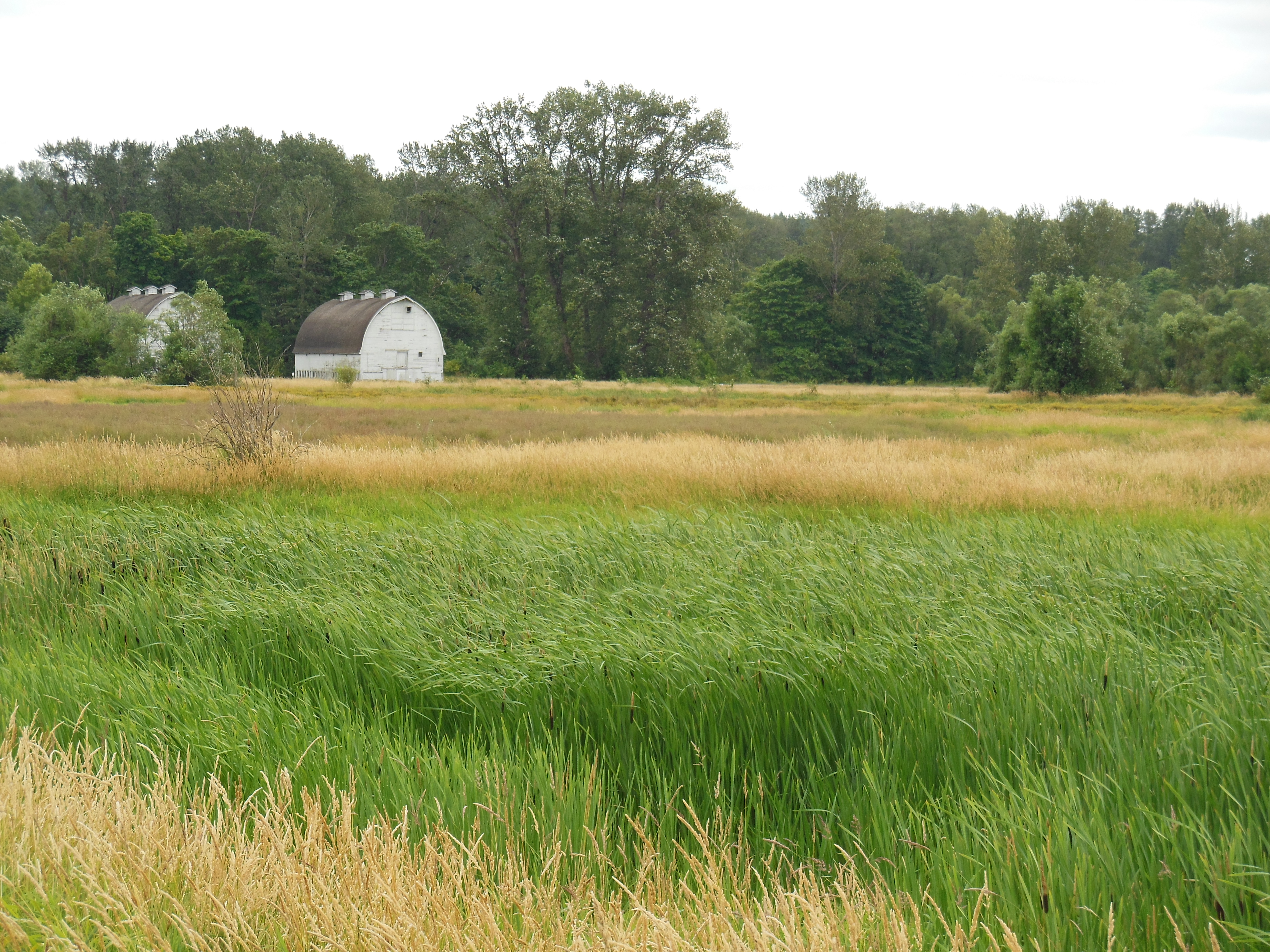
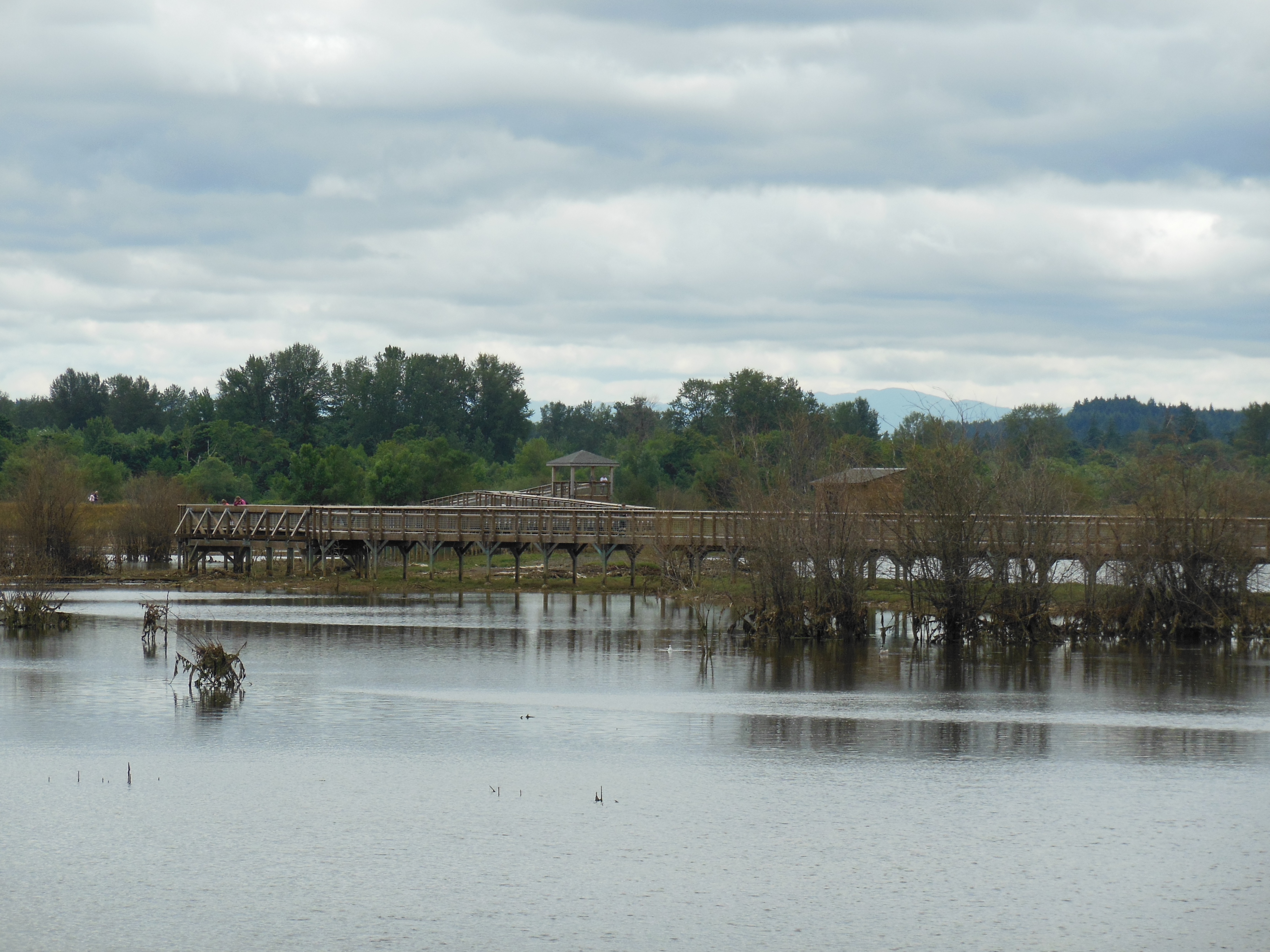
For those of you that are not into rambling, here is a pretty photo I took today. You can look and stare, and come back tomorrow.

Oh, and this one too.

And one more, since I like the number three, and because this is my all time favorite.

Now for the rest of you…here you go:

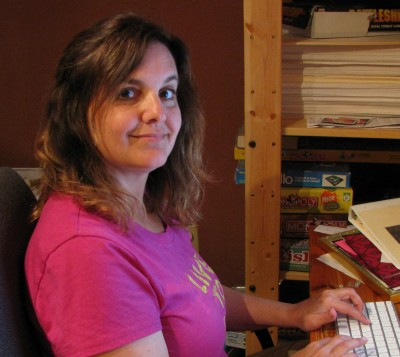
me

People often say I look familiar to them, or they know someone who looks like me, or that they have met me before. Years ago someone thought I was that teacher that got caught shagging her student. Don’t remember her name, but it didn’t help when the suspecting stranger asked if I was a teacher, and I said, “Yes.”  I’ve been told I look like certain celebrities—usually bad politicians or people who play dope dealers on television. Thusly, the still very small ego. That strikes me as odd, that people recognize me or relate me to others, as I haven’t a fricken clue regarding what I look like.

I do not recognize myself in any photo. My dear friend who is a photographer says my bone structure affects my photos. She reassured me I don’t need plastic surgery. I actually texted her from some hotel in northern California in tears after a recent photograph, convinced I needed a nose job that very day.

This week, my dear masseuse reassured me that in person I do indeed  look like my photos on my blog. Yes, I have the most awesome masseuse; she actually gives the best massages while discussing me and my blog. I call her my number one fan! That and sue-happy!  She said I don’t look like me when I give that look though…with some questioning, sweet Sue agreed that look meant a blank stare. That blank stare look is my typical smile, or what feels like a smile.

Everyday my husband patiently answers questions for me about my looks. During a movie I might ask (during a crucial moment of the film): Do those look like my wrinkles? Am I that old looking? Do I look like her when I smile? Is that my nose? Oh, is her hair like my hair?

That same photographer friend I texted, she has always said I am blessed with a gypsy-skin complexion and doe eyes. I like her. To make me feel better, she also has told me, more than once, that “pretty” people never like photos of themselves because they appear different depending on lighting. I really like her a lot. She also says I am a good catch. I love her.

mememe

To me, my appearance changes from moment to moment. Forget about the photos. Each time I look in the mirror I do not recognize myself. I particularly do not like my reflection in the car’s rearview mirror or in the glass screen of my laptop computer. Some reflections accentuate all my lines, and I appear to be a prune. I cry at prune faces.

I do not recognize my eyes as the lids droop. And as I age, I wonder where the me before went. Not that I ever saw myself fully to begin with. But now it seems the person I never figured out is vanishing all together into the folds and creases of flesh.

Not being able to judge how I look affects me in many ways. I can’t apply makeup well. I don’t know how. Lessons won’t help. I can’t tell if the shade is right or if I have put on too much or too little. Usually I hardly wear any makeup. I do like watching my eyes change once I put mascara on my lashes, though. I’m like a little girl. I apply and then stare in amazement. It’s like someone enlarged my eyes. When it comes to eyeliner, I can’t tell if it makes me look older, wiser, sexier, or slutty. I do however notice that lately I have developed these distinct come-hither bedroom eyes. Don’t know what’s that about, but have some theories.

me and steff

Fixing my hair is hard. I can’t tell what it looks like. Hair pins at different angles, hair back, hair forward, hair wet, hair straight, hair curly. My looks alter depending. I don’t know who the heck I am. I guess if I was bald that would be one less constantly changing thing. But then I’d probably have that whole light-reflection-changing-the-angle-of-my-scalp thing going on.

I cannot grasp facial features in general, of anyone. For instance, if I was asked to describe a person’s face for a police sketch artist, I couldn’t do it. I couldn’t even describe my sons’ faces. I was always fascinated in movies when the witness would tell the sketch artist about the nose shape, the eyes’ distance, the lips, the hairline. It feels like they have super powers to me. I’ve been staring at my fourteen year old’s face for fourteen years, and I still couldn’t tell you what he looked like beyond the fact that he has big eyes like me, long lashes, thin dark hair, and a chin like his dad. The rest, all the inside parts, inside the hairline, the face shape, the nose, the lips, the brows, they all go blurry when I try to visualize my son.

I see things in pictures. I see things as a large whole or a specific. For example I see the wrinkles between the eyes, the bump on a nose, the ear that sticks out, the red dot on a check. I am naturally drawn to the details, and distracted by the details, as if I am a camera focusing in. Then, after a little bit of time, I focus out and see the overall face. It is as if I do not have a middle focus, only very narrow or very vast.

I am amazed at how I can look so very different from what I imagine myself to look like. Inside my head I do not look like any representation outside of me.

november walk

I’ve always studied faces, since I can remember. Last year my fixation was ears, particularly ear lobes. I was trying to figure out what my ears looked like in comparison to others’. I know my ears are unique…elf-like…they stick out a bit, and larger on the top part, and generally fleshy. Makes for good nibbling, I suppose. It’s been a whole year of ear studying, and I still am clueless. I couldn’t draw you a picture of my ear unless I was staring at a photo, and likely tracing.

I just started on my nose in May. I’ve been comparing my nose to other noses, and trying to find a companion nose, so I know what the heck my nose looks like. My nose is a funny creature, constantly changing shapes based on the camera angle or how I look at myself in the mirror. When I take a photo of myself, like above, when I extended my arm out, my nose is very European. Sometimes it’s rather cute and pudgy. Other times I know for a fact someone has put their nose on my face, and it’s just not mine! I’ve been studying movies lately, pausing a film and looking at the actresses’ faces, and noticing that their noses change too. It’s not just mine. I’ve noticed how still frames of a movie star’s face are so different from when an actress is in motion. I like to go to the dentist and eye doctor, because I spend time studying faces in magazines.

a>

I’m still trying to get used to seeing me. Sometimes I think I look like me one day, but then the next day I look back at a photo and think that is not me.

I honestly don’t think I am supposed to be in a human body. I frequently feel as if I have put on the wrong body suit.

I have been insecure my whole life about my looks; mainly because I am a walking shift-shaper and have no looks. From one mirror to the next, I am not me. I capture glimpses of me, but then I fade. Sometimes I think I look very Maltese/Sicilian and other times I see my Irish side. Sometimes I look like I’m from another planet. Other times I am certain I am a little elf: a princess elf with handsome male knights that adore me. And one in particular I want to marry in the forest glen…I digress.

Sometimes I think I look very angular and other times very round. Sometimes I go through thirty moods about my looks in one single day. One mirror in the morning might reveal a tolerable image; I might even like my appearance; but another mirror in the afternoon makes me afraid to leave the house because I’m so frightful to behold. I’ve felt this way my whole life.

Recently, beyond the ears and nose, I’m starting to study eyelids and how they droop. If I am staring at you, I am likely studying your lids. Take no notice; the phase will pass. Just keep your fingers crossed that I don’t leave the face area!

I may sound vain, but I don’t think I am. I think this face obsession has something to do with how my brain views the world in pictures, even words and numbers in pictures, and how my brain is trying to piece together the whole of a very complex shifting face.

I don’t know if I’ll ever truly see me. I recognize me, of course. But I don’t know if I’ll ever understand what I consistently look like.

I AM trying to change something. I’m superb at picking out all my flaws and thinking I am a walking big-nosed, wrinkly-faced bozo. So I am practicing looking at myself without cringing. That’s a big deal for me. Since I recently lost a lot of weight, and have grown more confident inside, men are noticing me more. This is very weird for me. I keep thinking, what the heck do they see in me. Are they blind?

I’ve been posting a lot of photos of me on this blog because I am trying to come to terms with what I look like and to accept myself.  I actually am very confident on the inside. Interior-wise, I love me, probably a little too much a times. I’ve falling in love with my person and spirit entirely, and at the same time fallen in love with other people, too. Thing is I don’t care what they look like. Heck, their faces shift and change more than mine. So I focus on their energy, their beauty, their eyes. So that’s what I am trying to do with me: focus on the inner beauty and my eyes.

Please don’t tell me I’m pretty or lovely; that’s not going to help. If you want to comment, comment about the subject matter. I’m not fishing for compliments. Even when I called my husband in to look at the photos tonight, I just needed reassurance that the photos looked like me. And I needed him to say he didn’t notice the huge, gigantic mountain-eating wrinkles. I needed him to explain to me why I look so different in every photo. I must have asked him fifty times, “Is that really me? Do I really look like that?” This isn’t about beauty to me or self-acceptance; it’s about figuring out a puzzle. It’s about figuring out who that woman is staring back at me in the mirror.

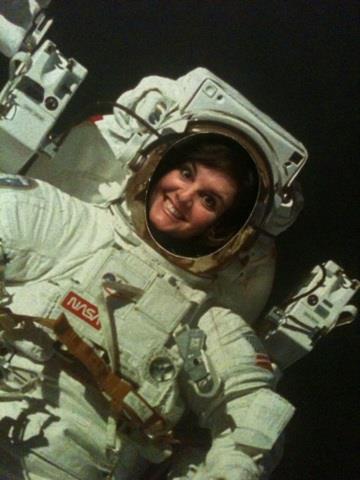
space me

~~~~~~~~~~~~~~~~~~~~~~~~~~
~~~